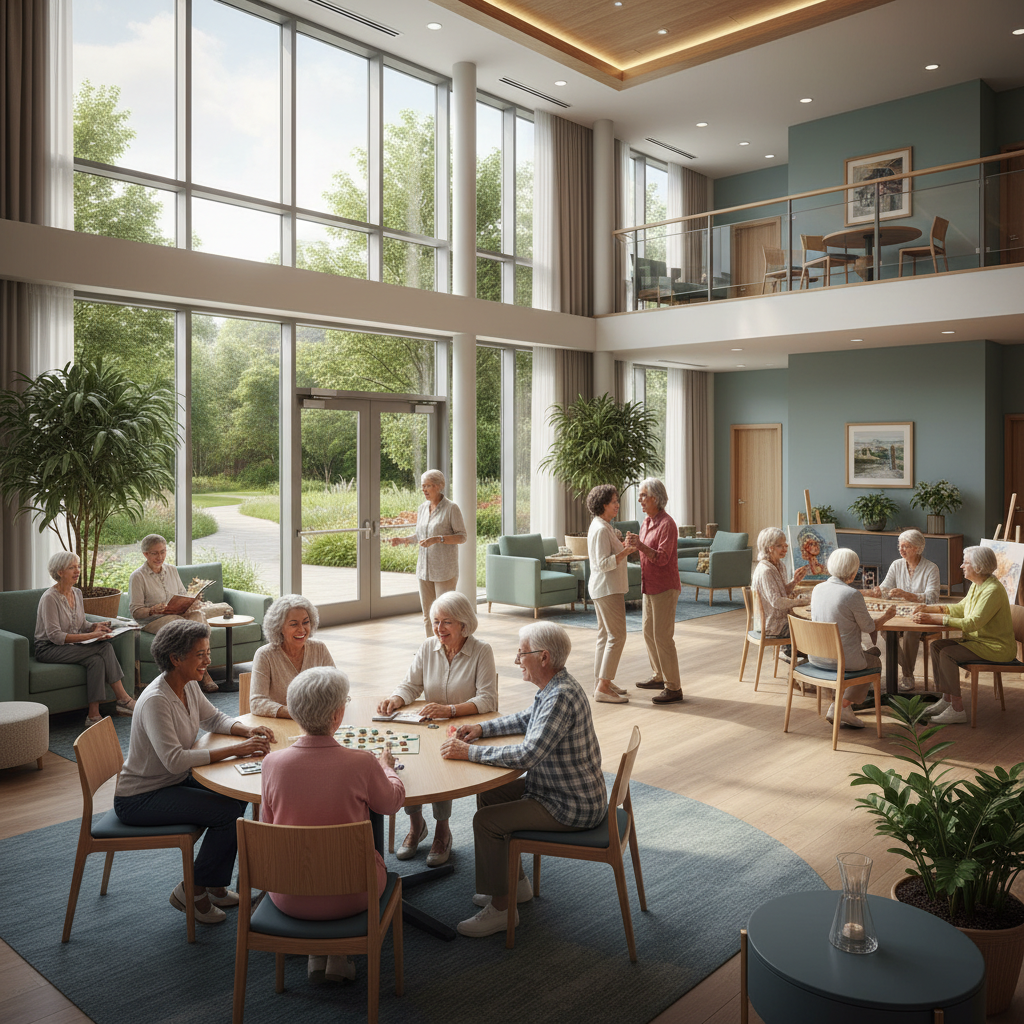
The Benefits of Senior Community Centers: Socialization and Well-Being
Senior community centers benefits extend far beyond recreational activities and social gatherings. These vital community institutions serve as lifelines for older adults, offering programs that combat loneliness, improve physical and mental health, provide nutritional support, and connect seniors with essential services. With more than 11,000 senior centers operating across the United States serving approximately one million older adults each day, these centers represent one of the most accessible and cost-effective resources for promoting healthy aging and community engagement.
The Health Benefits of Socialization for Seniors
The connection between social engagement and health outcomes in older adults is one of the most well-established findings in gerontological research. A landmark study published in the journal PLOS Medicine found that social isolation increases the risk of premature death by 26 percent, while loneliness increases it by 29 percent, effects comparable to smoking, obesity, and physical inactivity.
Senior community centers directly address these risks by providing structured opportunities for meaningful social interaction. Regular attendance at a senior center has been associated with higher levels of life satisfaction, lower rates of depression, better self-reported health, and delayed onset of disability, according to research by the National Council on Aging.
"Social connection is not a luxury for older adults; it is a biological necessity," says Dr. Julianne Holt-Lunstad, a professor of psychology at Brigham Young University whose research on loneliness has influenced public health policy. "Senior centers create environments where meaningful connections can form naturally, which is exactly what many isolated older adults need."
The cognitive benefits are equally significant. Social engagement stimulates neural pathways, challenges the brain through conversation and problem-solving, and has been shown to slow cognitive decline. A study from Rush University Medical Center found that seniors with strong social networks experienced a 70 percent slower rate of cognitive decline compared to those who were socially isolated.
Types of Programs Offered at Senior Centers
Modern senior centers offer a diverse array of programs designed to meet the physical, intellectual, social, and practical needs of older adults. Exercise and fitness programs are among the most popular offerings, ranging from yoga, tai chi, and water aerobics to strength training and walking clubs. These programs are typically adapted for varying ability levels and led by instructors trained in senior fitness.
Educational and enrichment programs include computer and technology classes, language courses, art workshops, book clubs, and lectures on topics ranging from health and wellness to current events and local history. Many centers partner with local colleges and universities to offer lifelong learning opportunities that keep minds active and engaged.
Health and wellness services at senior centers may include blood pressure screenings, flu shot clinics, diabetes management programs, hearing and vision screenings, and health education seminars. Some centers employ social workers or nurses who provide individual counseling and help connect seniors with healthcare resources.
Nutrition programs serve a dual purpose of providing healthy meals and creating social dining experiences. The Older Americans Act funds congregate meal programs at many senior centers, offering nutritious lunches at no cost or for a voluntary contribution. Shared meals provide not only nourishment but also an important social ritual that brings people together daily.
How Senior Centers Support Mental Health
Depression affects an estimated 7 million American adults over 65, yet it is often underdiagnosed and undertreated in this population. Senior centers play a crucial role in mental health support through the social connections they facilitate, the purposeful activities they provide, and the sense of belonging they create.
Volunteering opportunities within senior centers give older adults a sense of purpose and contribution. Research published in the journal Psychology and Aging found that volunteering is associated with lower rates of depression, higher life satisfaction, and even reduced mortality risk among older adults. Many centers rely on senior volunteers for program delivery, creating a mutually beneficial cycle of engagement.
Peer support is another valuable mental health resource at senior centers. Sharing experiences with others who face similar challenges, whether health concerns, grief, caregiving responsibilities, or retirement adjustment, provides validation and reduces the sense of isolation that often accompanies aging.
"A senior center is not just a place to play cards," explains Dianne Stone, executive director of the National Institute of Senior Centers. "It is a place where an older adult who has just lost a spouse can find compassionate community, where a retiree struggling with identity can discover new purpose, and where someone managing chronic illness can find others who understand their experience."
Virtual and Hybrid Programs
The expansion of virtual programming, accelerated by necessity during the COVID-19 pandemic, has permanently broadened the reach of senior centers. Many centers now offer hybrid models that combine in-person and online programming, making services accessible to homebound seniors, those with transportation challenges, and individuals who are not yet comfortable in group settings.
Virtual programs include online exercise classes, video chat social groups, telehealth appointments, and digital literacy training. Some centers have developed technology lending programs, providing tablets and internet access to seniors who lack their own devices, along with training and technical support.
The effectiveness of virtual programming has been validated by research. A 2024 study in the Journal of Gerontological Social Work found that seniors who participated in virtual senior center programs reported significant reductions in loneliness and improvements in mental well-being, though the benefits were somewhat less pronounced than those associated with in-person participation.
Finding and Choosing a Senior Center
Locating a senior center in your community can be accomplished through several channels. The Eldercare Locator, operated by the U.S. Administration on Aging, provides a searchable database at eldercare.acl.gov or by calling 1-800-677-1116. Local Area Agencies on Aging, municipal parks and recreation departments, and community service organizations can also direct seniors to nearby centers.
When evaluating a senior center, consider the variety and quality of programs offered, the warmth and professionalism of the staff, the cleanliness and accessibility of the facility, transportation availability, and the general atmosphere. Many centers offer trial visits or open house events that allow prospective participants to experience the environment before committing.
Cost should not be a barrier. The majority of senior center programs are offered free of charge or for nominal fees, funded through a combination of federal, state, and local government grants, private donations, and fundraising. Meals provided through the Older Americans Act are available at no charge, though voluntary contributions are welcomed.
Overcoming Reluctance to Attend
Despite the well-documented benefits, many seniors resist attending a community center. Common objections include feeling that they are "not old enough," concern about not knowing anyone, transportation barriers, and the misconception that senior centers are only for those who are frail or lonely.
Addressing these concerns requires patience and creativity. Inviting a friend or family member to attend the first few visits can ease the transition. Focusing on a specific program that aligns with the senior's interests, whether it is a photography class, a fitness program, or a current events discussion group, provides a concrete reason to attend rather than a vague invitation to "go to the senior center."
Transportation programs offered by many centers, including door-to-door pickup service, remove one of the most significant practical barriers. For seniors with social anxiety or introversion, starting with smaller programs or one-on-one activities can provide a gentler introduction to the community.
"The hardest part is walking through the door the first time," observes program coordinator Michael Torres at the Riverside Senior Center in California. "But I have seen hundreds of reluctant newcomers become regulars within weeks. The human need for connection is powerful, and once people experience the warmth of this community, they want to come back."
Frequently Asked Questions
What age do you have to be to attend a senior center?
Most senior centers welcome adults aged 55 or 60 and older, though the specific age requirement varies by facility. Some centers allow younger adults with disabilities or those who are caregivers to participate in certain programs. There is no upper age limit, and many centers serve participants well into their 90s and beyond.
Are senior centers only for healthy, active seniors?
No. Senior centers serve individuals across a wide spectrum of health and ability levels. Many offer programs specifically designed for those with mobility limitations, chronic conditions, or cognitive impairment. Adaptive fitness classes, memory care programs, and caregiver support groups are common offerings that serve less active or more vulnerable populations.
Do senior centers provide transportation?
Many senior centers offer transportation services, either through their own vehicles or in partnership with local transit agencies and volunteer driver programs. Some provide door-to-door service within a defined geographic area. Contact your local senior center directly to inquire about available transportation options.
Can senior centers help with services beyond social activities?
Absolutely. Many senior centers serve as one-stop access points for a range of services, including benefits counseling for programs like Medicare and Medicaid, legal assistance, tax preparation, housing referrals, home modification assessments, and caregiver support. Social workers and case managers at some centers can help connect seniors with community resources tailored to their individual needs.
Senior community centers represent one of the most effective and accessible resources for promoting health, happiness, and connection among older adults. By offering diverse programs, fostering meaningful relationships, and serving as gateways to essential services, these centers play an indispensable role in helping seniors thrive in their communities. Whether you are a senior exploring options for yourself or a family member seeking resources for a loved one, your local senior center is a valuable place to start.
Written by