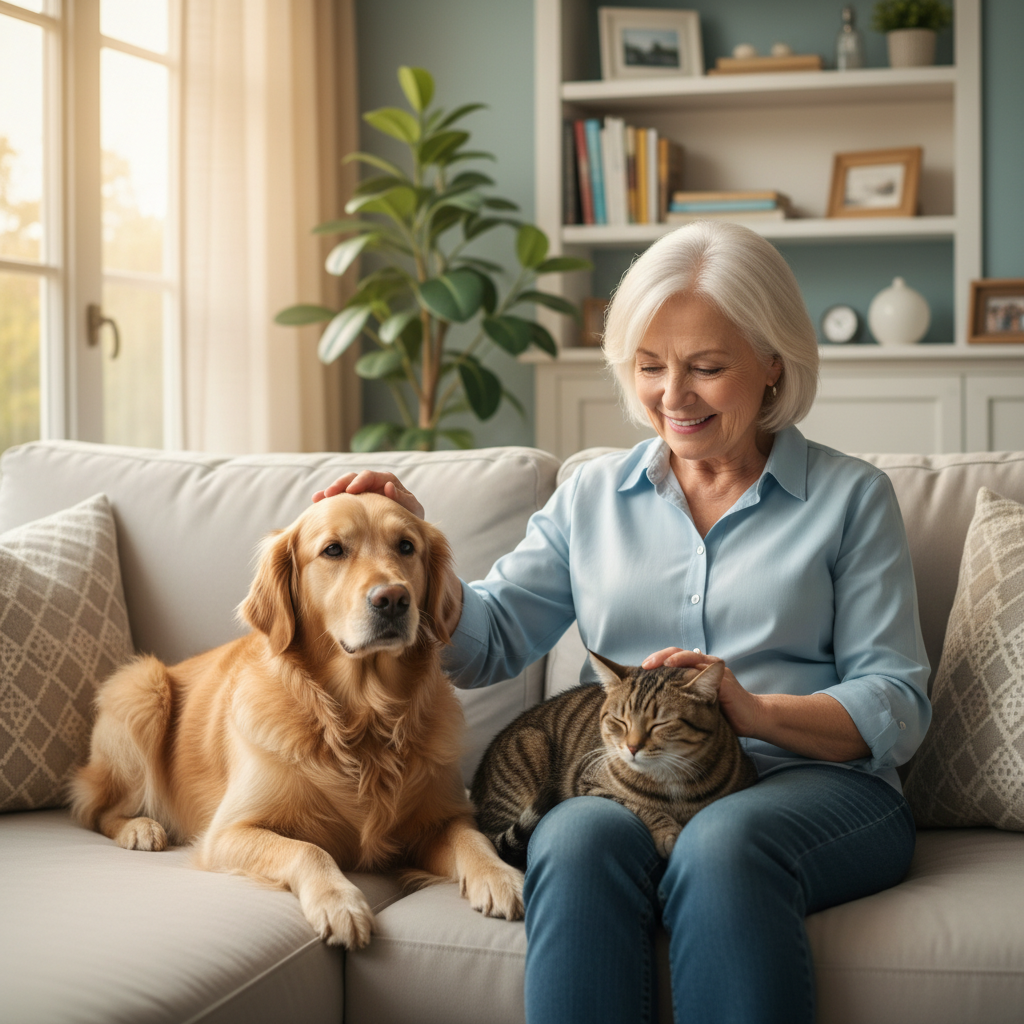
How Pets Improve Mental Health in Seniors: The Power of Animal Companionship
Pets mental health seniors research has consistently demonstrated that the bond between older adults and their animal companions provides far more than simple entertainment. From lowering blood pressure and reducing stress hormones to combating the epidemic of loneliness that affects an estimated one-third of adults over 65, the evidence supporting the therapeutic value of pet ownership and animal-assisted interventions for seniors continues to grow. Understanding these benefits can help families, caregivers, and healthcare providers make informed decisions about incorporating animal companionship into the lives of older adults.
The Science Behind the Human-Animal Bond
The health benefits of pet ownership are not merely anecdotal. Research published in the journal Circulation by the American Heart Association found that pet ownership, particularly dog ownership, is associated with reduced cardiovascular risk, lower blood pressure, and decreased cholesterol levels. A landmark study by the Human Animal Bond Research Institute revealed that 74 percent of pet owners reported improvements in their mental health attributed to their pets.
The physiological mechanisms are well understood. Interacting with animals triggers the release of oxytocin, the bonding hormone, while simultaneously reducing cortisol, the primary stress hormone. This hormonal shift creates a measurable reduction in anxiety and an increase in feelings of calm and well-being. Even brief interactions, as short as 10 to 15 minutes of petting an animal, produce these effects.
"The relationship between a senior and their pet activates the same neurochemical pathways as human social bonds," explains Dr. Sandra Barker, director of the Center for Human-Animal Interaction at Virginia Commonwealth University. "For isolated seniors, a pet may be their primary source of touch, affection, and unconditional acceptance."
Combating Loneliness and Social Isolation
Social isolation and loneliness among older adults have been declared a public health crisis, with the U.S. Surgeon General warning that chronic loneliness carries health risks equivalent to smoking 15 cigarettes a day. Pets address this crisis in multiple ways.
Dogs, in particular, serve as social catalysts. Walking a dog naturally leads to interactions with neighbors, other dog walkers, and passersby. A 2023 study in the journal Gerontology found that older dog owners had 30 percent more social interactions per week than non-pet-owning peers. These casual social encounters, while seemingly minor, contribute significantly to a sense of community and belonging.
For seniors who are homebound or have limited mobility, the constant presence of a pet provides companionship that mitigates the emptiness of an otherwise solitary day. Pets provide a reason to get up in the morning, a routine that structures the day, and a living being that responds to their presence and affection. The simple act of being needed and being responsible for another creature's welfare provides purpose and meaning.
Physical Health Benefits for Older Pet Owners
The physical health benefits of pet ownership extend beyond cardiovascular improvements. Dog owners walk an average of 22 additional minutes per day compared to non-dog owners, according to research from the University of Liverpool. For seniors, this additional physical activity contributes to improved mobility, better balance, maintained muscle strength, and reduced risk of falls.
The routine care activities associated with pet ownership, including feeding, grooming, and playing, promote fine motor skills and physical movement. For seniors recovering from surgery or managing chronic conditions, the motivation to care for a pet can enhance rehabilitation outcomes.
Pain management is another area where animal companionship shows promise. Studies in clinical settings have found that patients who interact with therapy animals before and after medical procedures report lower pain levels and require less pain medication. The distraction, comfort, and emotional support provided by an animal presence appears to modulate the perception of pain.
Best Pets for Seniors
Choosing the right pet for a senior's lifestyle, living situation, and physical capabilities is essential for a successful match. Dogs are the most popular choice and offer the highest level of companionship and social benefit, but they also require the most care, including regular walks, veterinary visits, and grooming.
For seniors with limited mobility or those living in smaller spaces, cats are an excellent option. They are lower maintenance than dogs, require no outdoor walks, and provide affectionate companionship. Many cats are content to sit in a lap for hours, providing the physical contact and warmth that isolated seniors may lack.
Birds, particularly parakeets and cockatiels, provide companionship through vocalization and interaction without requiring physical exercise. Fish aquariums have been shown to reduce anxiety and lower blood pressure, making them suitable for seniors in assisted living or memory care settings. Even watching fish swim has a calming, meditative effect.
Robotic pets, including sophisticated models that purr, respond to touch, and mimic animal behavior, have emerged as an innovative option for seniors with dementia or those in settings where live animals are not permitted. Research from the AARP and Brown University has found that robotic pets can reduce anxiety and improve engagement in dementia patients.
Pet Therapy Programs for Seniors
For seniors who cannot own a pet due to health, housing, or financial constraints, pet therapy programs offer many of the same benefits. Animal-assisted therapy involves structured interactions between patients and trained therapy animals, facilitated by a credentialed handler, and is integrated into the patient's treatment plan.
Animal-assisted activities are less formal and include friendly visits by therapy animals to nursing homes, hospitals, and senior centers. Organizations such as Pet Partners, Therapy Dogs International, and local humane societies coordinate these programs in communities across the country.
"Even for seniors in the later stages of dementia who may not respond to other forms of engagement, the presence of a gentle therapy dog often elicits smiles, vocalizations, and purposeful movement," observes certified therapy animal handler Maria Gonzalez. "It can be remarkably powerful."
Important Considerations Before Getting a Pet
While the benefits are substantial, pet ownership is not appropriate for every senior. Important factors to consider include the senior's physical ability to care for the animal, financial resources for food and veterinary care, housing restrictions on pet ownership, and the availability of backup care if the senior becomes ill or hospitalized.
Allergies, the risk of falls caused by an active pet, and the emotional impact of eventually losing a pet should also be discussed. For seniors with cognitive decline, the ability to safely manage pet care must be realistically assessed, and a plan should be in place for the animal's care if the owner's condition deteriorates.
Adoption from shelters is often an ideal option for seniors. Many shelters have programs specifically designed to match older, calmer animals with senior adopters. Adult and senior animals tend to be calmer, already trained, and grateful for a quiet home, making them better suited to a senior's lifestyle than puppies or kittens.
Frequently Asked Questions
Can pets help with depression in elderly people?
Research consistently shows that pet ownership and animal-assisted therapy can reduce symptoms of depression in older adults. The companionship, routine, and sense of purpose that a pet provides address several key factors in geriatric depression, including loneliness, inactivity, and lack of purpose. However, pets should complement, not replace, professional mental health treatment for clinical depression.
Are there programs that help seniors afford pet care?
Yes, several organizations provide financial assistance for senior pet owners. The Pets of the Homeless program, RedRover Relief, and many local humane societies offer assistance with veterinary costs, pet food, and supplies. Some veterinary schools offer reduced-cost clinics, and many communities have pet food banks specifically for seniors.
Is a pet recommended for someone with dementia?
Pets can provide significant benefits for people in the early to moderate stages of dementia, including reduced agitation, improved mood, and increased social interaction. However, as dementia progresses, the person's ability to safely care for a pet must be carefully monitored. Robotic pets are an excellent alternative for individuals in later stages who may benefit from the comfort of an animal-like companion without the care requirements of a live pet.
The power of animal companionship to improve mental health, physical well-being, and quality of life in seniors is well supported by decades of research. Whether through pet ownership, therapy animal visits, or even the use of robotic companions, incorporating the human-animal bond into the lives of older adults offers a natural, joyful, and evidence-based approach to promoting health and happiness in the later years of life.
Written by