Managing Chronic Pain in Seniors Without Opioids
Chronic pain affects an estimated 50 percent of older adults living in the community and up to 80 percent of those in long-term care facilities, according to the American Geriatrics Society. For decades, opioid medications were a primary tool for managing persistent pain, but the devastating opioid crisis has prompted a critical reexamination of how pain is treated in elderly populations. Seniors are particularly vulnerable to opioid side effects including sedation, falls, respiratory depression, constipation, cognitive impairment, and dependency. Fortunately, a growing body of evidence supports effective non-opioid approaches to chronic pain management for seniors that can improve quality of life without the risks associated with opioid use.
Understanding Chronic Pain in Older Adults
Chronic pain is defined as pain that persists for more than three months and often accompanies conditions common in aging, including osteoarthritis, degenerative disc disease, neuropathy, fibromyalgia, post-surgical pain, and cancer. The National Institutes of Health (NIH) estimates that chronic pain affects approximately 25 to 30 percent of all Americans, with prevalence increasing significantly after age 65.
Pain in seniors is frequently undertreated for several reasons. Older adults may underreport pain because they view it as a normal part of aging. Cognitive impairment can make it difficult to communicate pain effectively. Healthcare providers may hesitate to prescribe adequate treatment due to concerns about side effects in an aging body. This gap between need and treatment makes non-pharmacological and non-opioid pharmacological approaches especially important.
Physical Therapy and Therapeutic Exercise
Physical therapy is one of the most effective non-opioid interventions for chronic pain in seniors. A systematic review published in the journal Pain Medicine found that supervised exercise programs reduce pain intensity by 20 to 30 percent in older adults with musculoskeletal conditions. Physical therapists design individualized programs that may include strengthening exercises, stretching, aquatic therapy, manual therapy, and gait training.
Aquatic therapy deserves special mention for seniors with joint pain. The buoyancy of water reduces stress on joints by up to 90 percent while providing resistance for strengthening. The Arthritis Foundation's aquatic exercise program has been shown in multiple studies to reduce pain, improve physical function, and enhance quality of life in adults with arthritis.
Consistency is key. The American College of Sports Medicine recommends that older adults aim for at least 150 minutes of moderate-intensity aerobic activity per week, combined with muscle-strengthening activities on two or more days per week. Even modest, regular movement is better than inactivity.
Topical Pain Treatments
Topical medications offer localized pain relief with minimal systemic side effects, making them an excellent option for seniors. The American Geriatrics Society recommends topical nonsteroidal anti-inflammatory drugs (NSAIDs) such as diclofenac gel as a first-line treatment for localized osteoarthritis pain, particularly of the knees and hands. Clinical trials demonstrate that topical diclofenac provides comparable pain relief to oral NSAIDs with significantly fewer gastrointestinal and cardiovascular side effects.
Other topical options include capsaicin cream, which depletes substance P (a pain neurotransmitter) from nerve endings; lidocaine patches, which numb localized areas of pain; and menthol-based preparations, which provide a cooling sensation that can distract from underlying pain. These treatments can be used alone or in combination with other non-opioid strategies.
Mind-Body Approaches
The connection between mind and body plays a significant role in pain perception. Cognitive Behavioral Therapy (CBT), a structured psychotherapy approach, has strong evidence supporting its effectiveness in chronic pain management. A meta-analysis published in the Journal of Pain found that CBT reduces pain intensity, improves function, and decreases depression in older adults with chronic pain. CBT teaches patients to identify and change negative thought patterns, develop coping strategies, set realistic goals, and engage in relaxation techniques.
Mindfulness-Based Stress Reduction (MBSR), developed by Dr. Jon Kabat-Zinn at the University of Massachusetts Medical Center, has also demonstrated efficacy in chronic pain populations. An eight-week MBSR program typically includes guided meditation, body scan exercises, gentle yoga, and mindful movement. Research published in JAMA Internal Medicine found that mindfulness meditation programs show moderate evidence for improving pain outcomes.
Other mind-body techniques that may benefit seniors include guided imagery, progressive muscle relaxation, deep breathing exercises, and biofeedback. These approaches are safe, have no side effects, and can be practiced independently once learned.
Integrative and Complementary Medicine
Several complementary therapies have earned recognition from mainstream medical organizations for their role in pain management. Acupuncture, a cornerstone of traditional Chinese medicine, has been endorsed by the American College of Physicians as a first-line treatment option for chronic low back pain. A large meta-analysis published in the Archives of Internal Medicine concluded that acupuncture is effective for chronic pain conditions and produces effects that persist over time.
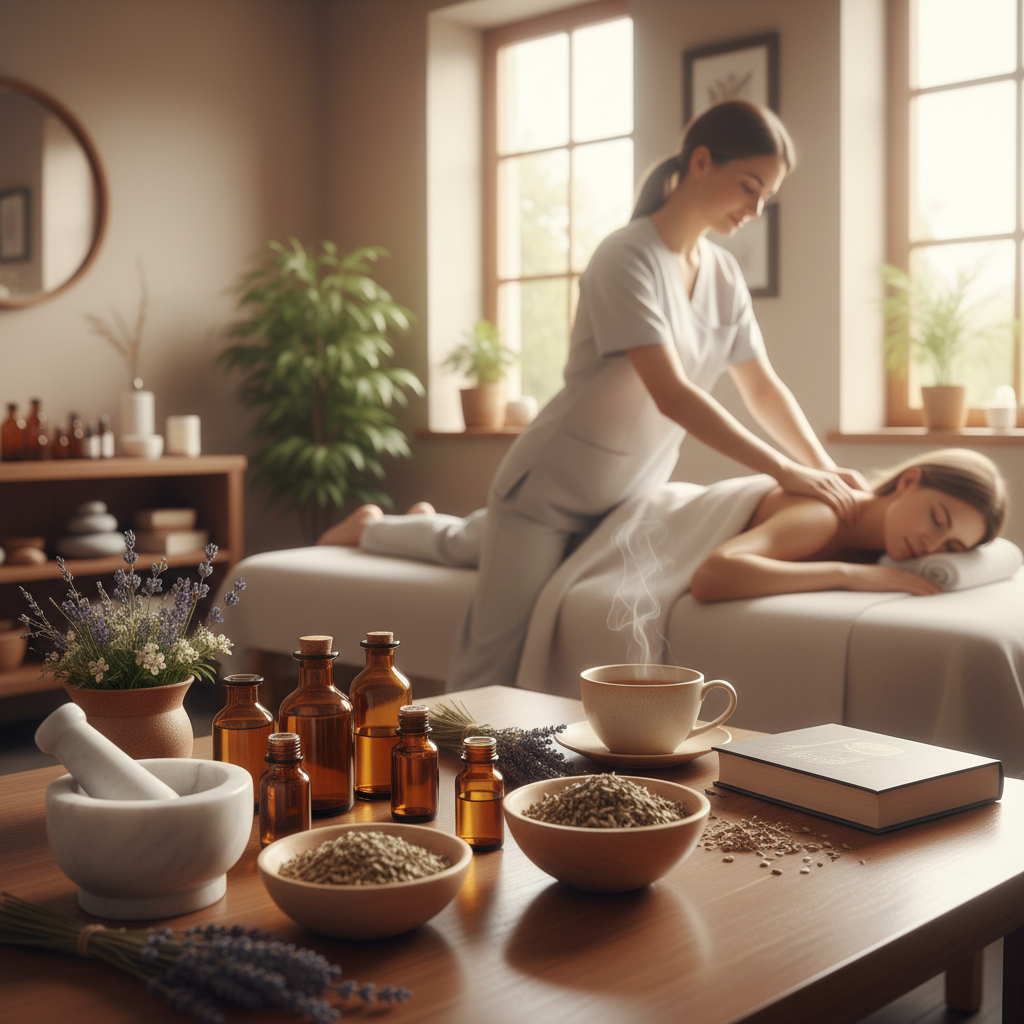
Massage therapy can reduce pain, anxiety, and muscle tension in seniors. The American Massage Therapy Association reports that therapeutic massage has been shown to benefit individuals with osteoarthritis, low back pain, neck pain, and fibromyalgia. For seniors with fragile skin or osteoporosis, a therapist experienced in geriatric massage should be selected.
Chiropractic care, when performed by a licensed practitioner with experience treating older adults, can help manage spinal and musculoskeletal pain. Heat and cold therapy, transcutaneous electrical nerve stimulation (TENS), and therapeutic ultrasound are additional non-invasive modalities that provide relief for some individuals.
Non-Opioid Medications
When non-pharmacological approaches alone are insufficient, several non-opioid medication classes can be considered. Acetaminophen (Tylenol) remains a first-line option for mild to moderate pain in seniors when used at appropriate doses. The American Geriatrics Society recommends a maximum daily dose of 3,000 mg for older adults, with close attention to liver function. Oral NSAIDs (ibuprofen, naproxen) are effective but carry significant gastrointestinal, cardiovascular, and renal risks in older adults and should be used cautiously and for the shortest duration possible.
Certain antidepressants, particularly duloxetine (Cymbalta) and tricyclic antidepressants at low doses, have demonstrated efficacy for neuropathic pain and fibromyalgia. Anticonvulsants such as gabapentin and pregabalin are commonly used for neuropathic pain conditions including diabetic neuropathy and postherpetic neuralgia. These medications should be started at low doses in seniors and titrated slowly to minimize side effects.
Building a Multimodal Pain Management Plan
The most effective approach to chronic pain in seniors is typically multimodal, combining two or more strategies tailored to the individual's specific conditions, preferences, and functional goals. A geriatrician or pain specialist can coordinate a comprehensive plan that might include physical therapy twice a week, daily topical NSAID application, weekly CBT sessions, and a low-dose non-opioid medication as needed. Regular reassessment ensures the plan evolves as the senior's needs change.
Conclusion
Living with chronic pain does not have to mean relying on opioids. The evidence strongly supports a wide array of non-opioid strategies for chronic pain management in seniors, from physical therapy and topical treatments to mind-body practices and integrative medicine. By working with healthcare providers to build a multimodal plan, seniors can achieve meaningful pain relief while avoiding the serious risks associated with opioid medications. The goal is not necessarily zero pain, but rather a level of comfort that allows for independence, engagement, and quality of life.
Written by