Fall Prevention Tips for Elderly Adults at Home
Falls are the leading cause of injury and injury-related death among adults aged 65 and older in the United States. According to the Centers for Disease Control and Prevention (CDC), approximately one in four older adults falls each year, resulting in roughly 3 million emergency department visits, over 800,000 hospitalizations, and more than 36,000 deaths annually. The good news is that falls are not an inevitable part of aging. With the right combination of home modifications, physical activity, medical management, and awareness, families can dramatically reduce fall risk for elderly loved ones living at home.
Understanding Why Seniors Fall
Falls in older adults are rarely caused by a single factor. The CDC identifies a combination of risk elements that contribute to falls, including muscle weakness, balance and gait problems, vision impairment, medication side effects, chronic conditions such as arthritis or diabetes, environmental hazards, and footwear choices. The National Council on Aging (NCOA) reports that falls are the leading cause of both fatal and non-fatal injuries among older Americans, yet fewer than half of seniors who fall tell their doctor about it. This underreporting prevents early intervention and allows risk factors to worsen over time.
Understanding the underlying causes is the first step in developing an effective prevention plan. A comprehensive fall risk assessment performed by a healthcare provider can identify specific vulnerabilities and guide targeted interventions.
Home Modifications That Make a Difference
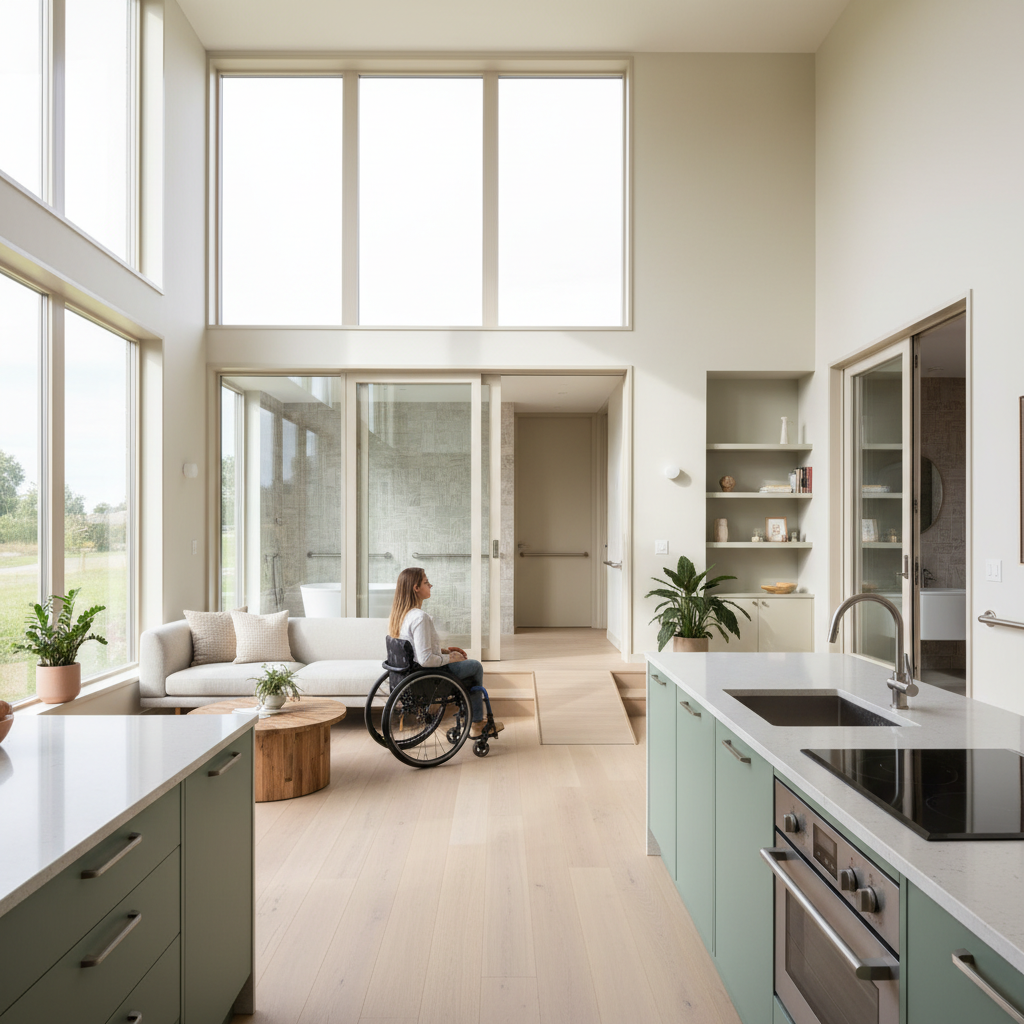
The home environment is where the majority of senior falls occur, making home safety modifications one of the most effective prevention strategies. The following changes are recommended by both the CDC and the National Institute on Aging:
- Remove tripping hazards. Secure or remove loose rugs, electrical cords, and clutter from walkways. Ensure all floor surfaces are smooth and non-slip.
- Improve lighting. Install bright, even lighting throughout the home, especially in hallways, stairways, bathrooms, and bedrooms. Night lights in bathrooms and corridors help during nighttime navigation.
- Install grab bars and handrails. Place sturdy grab bars in the shower, bathtub, and next to the toilet. Ensure stairways have handrails on both sides. According to a study published in the Journal of the American Geriatrics Society, bathroom modifications including grab bars reduce fall-related injuries by up to 33 percent.
- Use non-slip mats. Place non-slip mats or adhesive strips in the bathtub, shower, and on bathroom floors. Avoid polished or waxed floor surfaces.
- Arrange furniture for clear pathways. Rearrange furniture so there are wide, unobstructed paths between rooms. Remove low-profile furniture items that can be tripped over in dim light.
- Make essentials accessible. Store frequently used items at waist height in the kitchen, bathroom, and bedroom. Using step stools or reaching overhead increases fall risk significantly.
Exercises That Improve Balance and Strength
Physical activity is one of the most powerful tools for fall prevention. Research published in the British Medical Journal found that exercise programs that include balance training reduce falls in older adults by 23 percent. Strength training, particularly of the lower body, further reduces risk by improving the ability to recover from a stumble.
The following exercises are recommended by the National Institute on Aging for seniors seeking to improve balance and reduce fall risk:
- Heel-to-toe walk. Walk in a straight line, placing the heel of one foot directly in front of the toes of the other foot. Use a wall or counter for support if needed. Aim for 20 steps.
- Single-leg stands. Stand behind a sturdy chair and hold on with one or both hands. Lift one foot and hold the position for 10 to 15 seconds. Repeat on the other side. Work up to holding without support.
- Sit-to-stand. Using a sturdy chair without armrests, practice standing up and sitting down without using your hands. Start with 5 repetitions and build to 10 to 15.
- Tai Chi. Multiple studies, including a landmark trial published in the New England Journal of Medicine, have demonstrated that Tai Chi reduces fall rates in older adults by up to 50 percent. Many community centers and senior centers offer Tai Chi classes designed specifically for older adults.
- Calf raises. Stand behind a chair for balance and slowly rise onto the balls of your feet, then lower back down. Repeat 10 to 15 times to strengthen ankle and calf muscles.
Medication Management and Fall Risk
Certain medications can increase fall risk by causing dizziness, drowsiness, low blood pressure, or impaired coordination. The American Geriatrics Society maintains the Beers Criteria, a widely used list of medications that are potentially inappropriate for older adults due to their association with adverse outcomes including falls. Common culprits include sedatives, sleep aids, blood pressure medications, antihistamines, and certain antidepressants.
The CDC recommends that seniors and their caregivers review all medications, including over-the-counter drugs and supplements, with a pharmacist or physician at least once a year. This medication review should specifically assess fall risk and identify opportunities to reduce dosages, eliminate unnecessary medications, or switch to safer alternatives.
Vision and Footwear Considerations
Vision impairment significantly increases fall risk. The American Academy of Ophthalmology recommends that adults over 65 receive a comprehensive eye exam at least every one to two years. Conditions such as cataracts, glaucoma, and macular degeneration can impair depth perception, contrast sensitivity, and peripheral vision, all of which are critical for navigating the home environment safely.
Footwear is another often-overlooked factor. The American Podiatric Medical Association advises seniors to wear well-fitting, low-heeled shoes with non-slip soles. Avoid walking in socks, stockings, or smooth-soled slippers on hard floors. Shoes that provide ankle support and have a firm heel counter offer the best stability.
Creating a Personal Fall Prevention Plan
Every senior's risk profile is unique, so a personalized fall prevention plan is more effective than a one-size-fits-all approach. Start by scheduling a fall risk assessment with a healthcare provider. Based on the results, develop a plan that addresses identified risks through home modifications, exercise, medication review, vision correction, and assistive devices such as canes or walkers if recommended.
The NCOA sponsors the STEADI (Stopping Elderly Accidents, Deaths, and Injuries) initiative, which provides a structured framework for healthcare providers and families to assess and address fall risk. The CDC's STEADI toolkit is available for free and includes screening questionnaires, educational materials, and care coordination resources.
Conclusion
Fall prevention for elderly adults living at home requires a proactive, multi-faceted approach. By modifying the home environment, incorporating balance and strength exercises, managing medications carefully, maintaining good vision, and wearing appropriate footwear, seniors and their families can significantly reduce fall risk. Remember, falls are not an inevitable consequence of aging. With planning and action, most falls are preventable.
Written by