Best Home Recovery Products After Hip Replacement Surgery
Hip replacement surgery is one of the most common orthopedic procedures for seniors, with over 450,000 performed annually in the United States. While the surgery itself has become remarkably safe and effective, the weeks of recovery at home are where the real challenge begins. Navigating daily tasks like getting out of bed, using the bathroom, and moving between rooms requires careful planning and the right supportive equipment. Without proper recovery aids, the risk of complications, re-injury, and delayed healing increases substantially.
This guide highlights the best home recovery products specifically designed to support seniors through the critical first six to eight weeks after hip replacement surgery. Each product addresses a specific recovery challenge, from getting in and out of bed safely to maintaining mobility without putting undue stress on the new hip joint.
Why This Matters
The first 90 days after hip replacement surgery are the most critical period for long-term outcomes. During this window, the surgical site is healing, muscles are rebuilding strength, and the new joint is settling into position. Improper movement, falls, or overexertion during this period can cause dislocation, infection, or the need for revision surgery — a far more complex and risky procedure than the original operation.
Having the right recovery products in place before the patient comes home from the hospital eliminates dangerous improvisation. When a senior tries to stand up from a low bed without support, or reaches too far because the right assistive device is not available, they put their recovery and independence at serious risk. Preparation is everything.
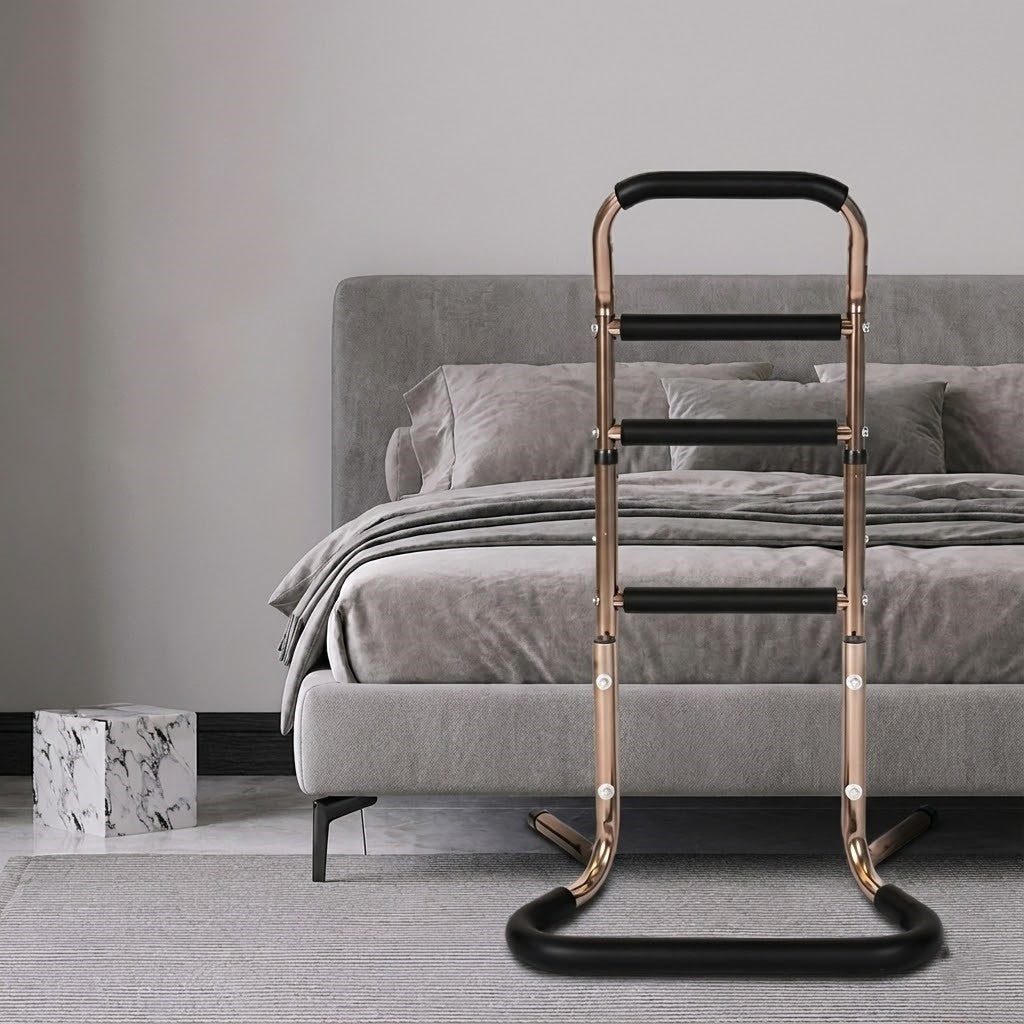
1. Senior Easy Stand Helper Mobility Support Frame
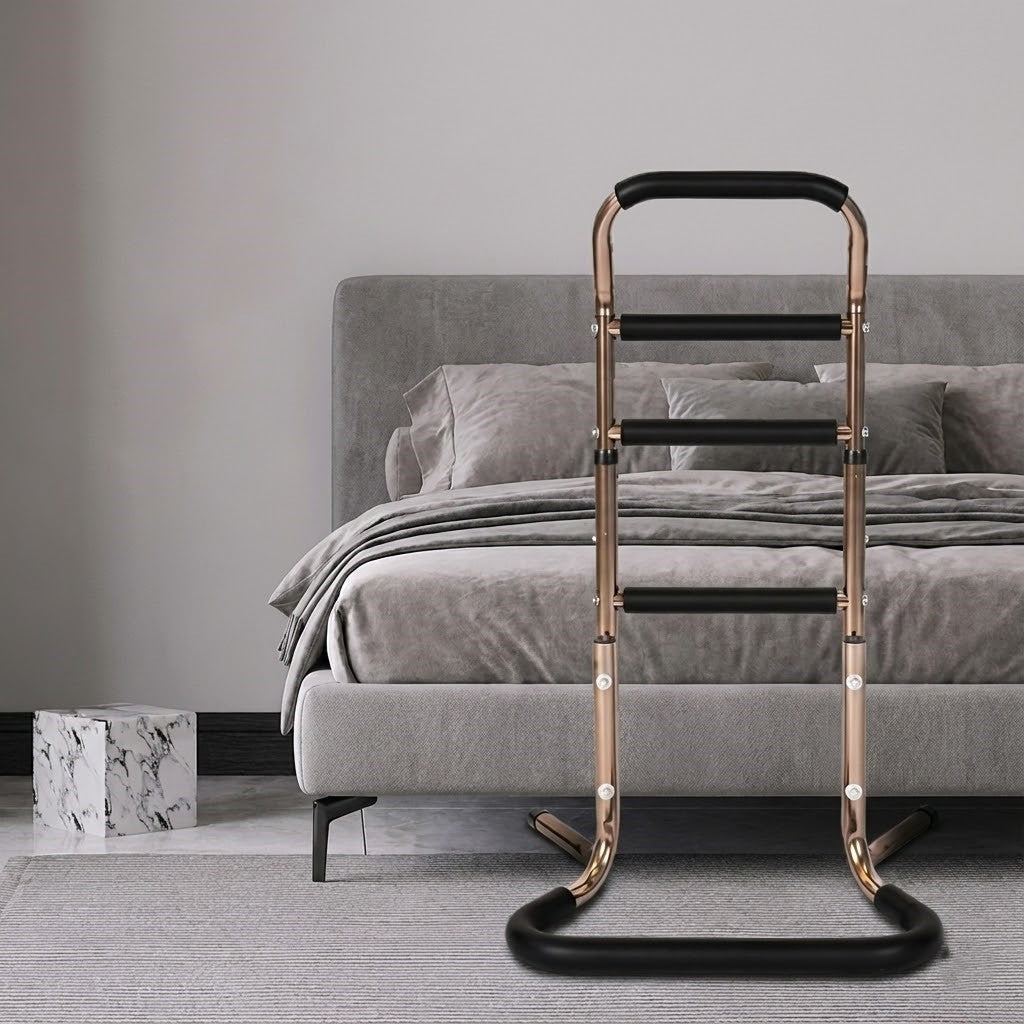
The transition from sitting to standing is one of the most challenging movements after hip replacement surgery. This mobility support frame provides a stable, multi-grip structure that allows seniors to pull themselves upright using their arms, reducing the load on the healing hip joint. The frame's multiple handlebar heights accommodate the progression of recovery — lower grips for the early days when movement is most restricted, and higher grips as strength and range of motion improve.
Positioned next to a bed, couch, or favorite chair, this frame becomes a recovery essential that patients use dozens of times per day. Its wide, weighted base prevents tipping even during awkward movements, and the padded handles are gentle on hands that may also be dealing with arthritis. Many physical therapists recommend this type of standing aid as a first-line recovery tool for hip replacement patients.
2. Elderly Bed Sit-Up Aid Rope Mobility Assist Strap
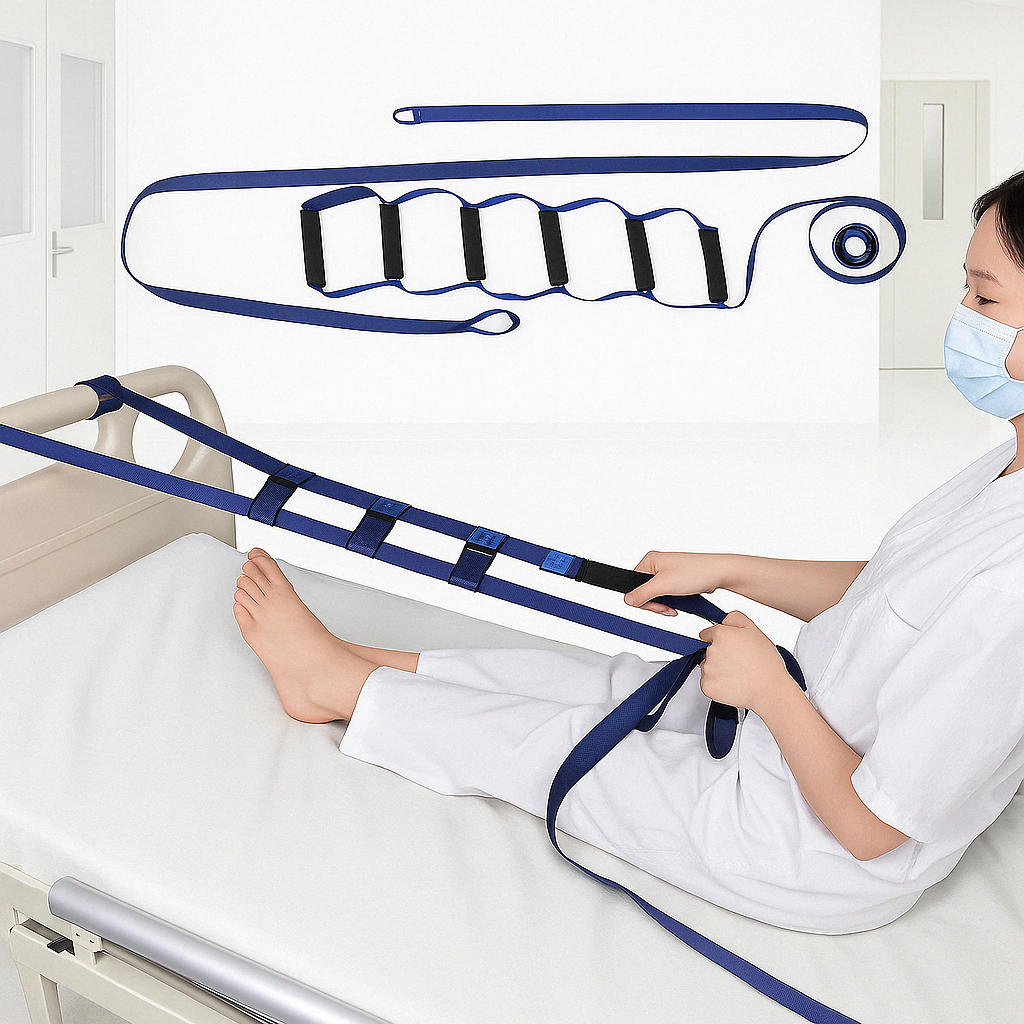
Getting out of bed is arguably the most frustrating daily challenge for hip replacement patients. Traditional methods of sitting up engage the hip flexors and core muscles in ways that can stress the surgical site. This bed sit-up aid strap attaches to the foot of the bed frame and provides a series of hand-holds that allow patients to gradually pull themselves from lying to sitting using upper body strength, keeping the hip in a safe, neutral position throughout the movement.
The rope ladder design is both brilliant and simple. Each rung represents one stage of the sit-up movement, so patients can progress at their own pace without sudden, jarring movements. At just $35.95, this is one of the most affordable and impactful recovery tools available. Caregivers consistently report that this single device reduces the number of times they need to physically assist with bed transfers, giving both the patient and caregiver greater independence.
3. Elderly Bed Safety Rail Folding Table
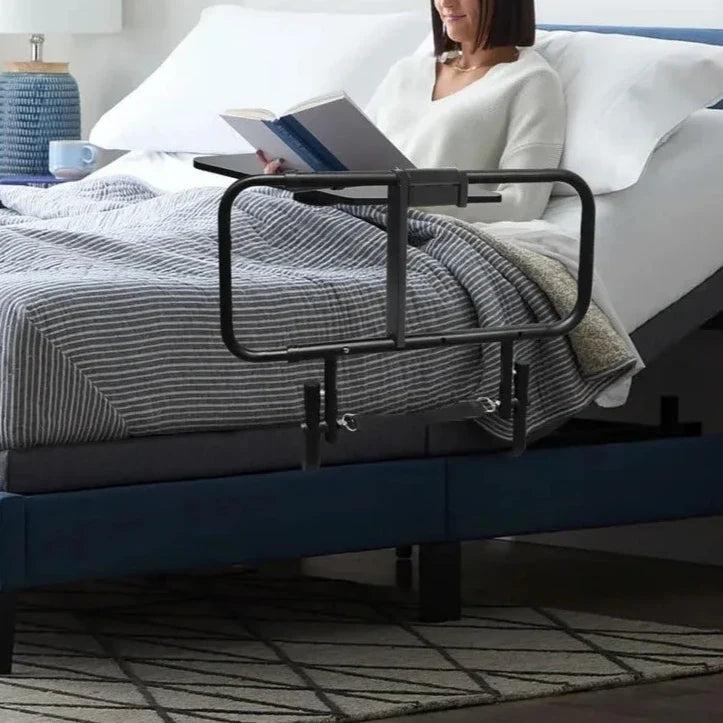
This dual-purpose product serves as both a bed safety rail to prevent nighttime falls and a folding table surface for eating, reading, or using a tablet while in bed. After hip replacement surgery, patients spend significantly more time in bed than usual, and having a stable surface within reach reduces the need to get up for every small task. The safety rail component provides a sturdy handhold for getting in and out of bed, which is especially valuable during nighttime bathroom trips when grogginess increases fall risk.
The folding table mechanism is smooth and easy to operate with one hand, and the rail slides securely between the mattress and bed frame without any tools or permanent modifications. This combination of functionality makes it one of the most versatile recovery products available, serving the patient from the moment they come home through the entire recovery period and beyond.
4. Elderly Transfer Ultimate Mobility Solution Shoulder Belt

During the early weeks of hip replacement recovery, transfers — moving from bed to wheelchair, wheelchair to toilet, or chair to standing — often require caregiver assistance. This transfer shoulder belt gives caregivers secure, ergonomic handles to support the patient during these movements without grabbing arms, clothing, or the patient's body in potentially harmful ways. The belt wraps around the patient's torso and provides multiple grip points that distribute the lifting force evenly.
This product is as much about protecting the caregiver as the patient. Back injuries among family caregivers are alarmingly common, often caused by improper lifting techniques during transfers. With proper handles positioned at the right height, the caregiver maintains good posture while guiding the patient safely. The padded belt is comfortable for the patient and adjustable to fit a wide range of body sizes.
5. Adjustable Knee Brace Support Compression Stabilizer
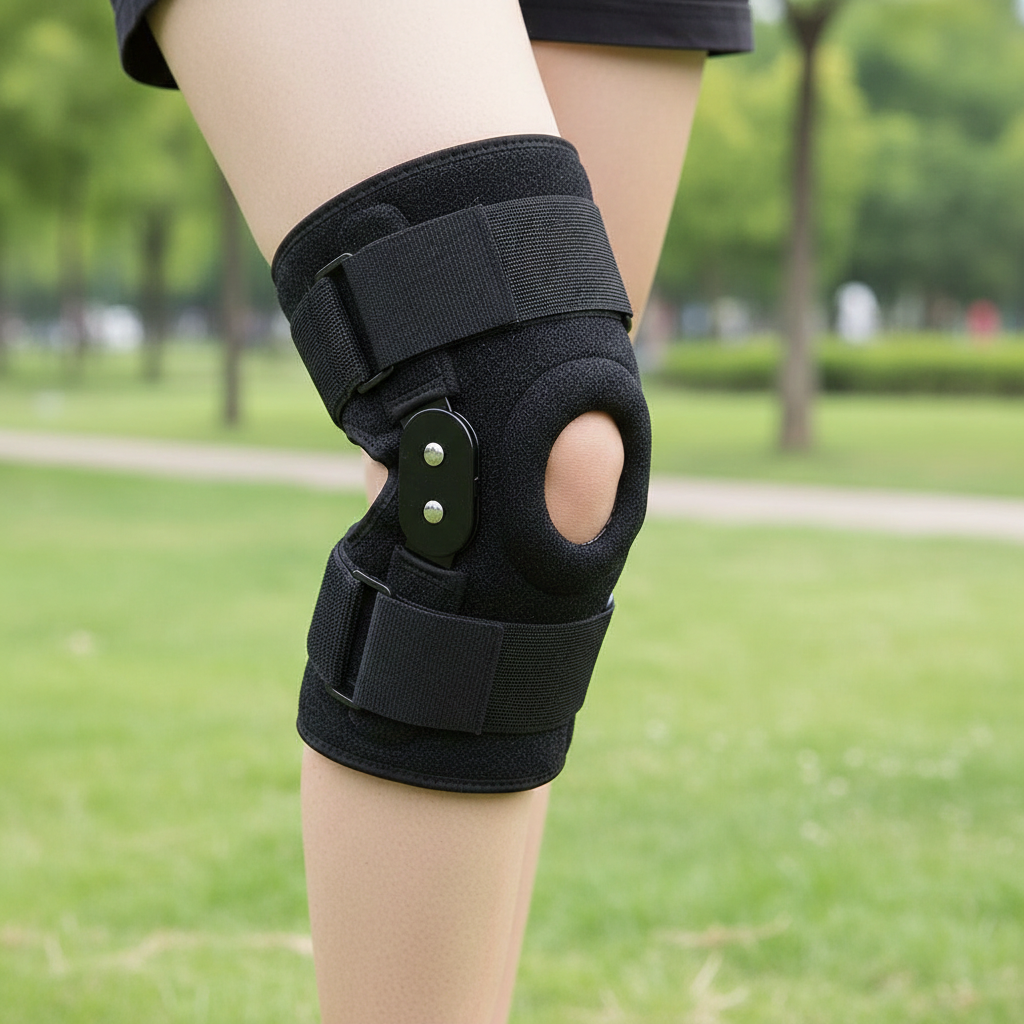
After hip replacement, the knee on the surgical side often bears increased stress as patients unconsciously compensate for hip limitations during walking and standing. This adjustable knee brace provides compression and stabilization that protects the knee during the recovery period, preventing a secondary injury that could derail the entire rehabilitation process. The adjustable straps allow for customized compression levels as swelling fluctuates throughout the day.
The breathable material is comfortable enough for all-day wear, and the slim profile fits easily under clothing. At under $20, it is an inexpensive insurance policy against the knee pain and instability that many hip replacement patients experience during recovery. Physical therapists often recommend knee support during the rehabilitation exercises that are critical to a successful recovery outcome.
Buying Guide: Preparing Your Home for Hip Replacement Recovery
Set up all recovery equipment before the surgery date so the home is ready when the patient arrives. Focus on the three main activity areas: the bedroom, bathroom, and primary living space. Ensure clear pathways between these areas with no loose rugs, cords, or clutter. Place frequently needed items — phone, water, medications, remote controls — within arm's reach of the bed and main chair. Consider renting or purchasing a raised toilet seat in addition to the products above, as standard toilet height requires excessive hip flexion during the initial recovery weeks.
Frequently Asked Questions
How long is the recovery period after hip replacement surgery?
Most patients can resume light daily activities within three to six weeks, though full recovery typically takes three to six months. The first two weeks are the most restrictive, requiring significant assistance with transfers and daily tasks. Recovery aids are most critical during this initial period but remain helpful throughout the entire recovery timeline.
What movements should be avoided after hip replacement?
Patients should avoid crossing the legs, bending the hip past 90 degrees, and twisting or pivoting on the surgical leg. These movements risk dislocating the new joint. Recovery products that assist with safe movement patterns — like the sit-up strap and standing frame — help patients avoid these dangerous positions automatically.
Can I handle my loved one's recovery without professional help?
Many families successfully manage hip replacement recovery at home with the right equipment and education. However, consulting with a physical therapist for a home exercise program and proper transfer techniques is strongly recommended. The right recovery products significantly reduce the physical demands on family caregivers, making home recovery more feasible and safer for everyone involved.
Conclusion
Recovering from hip replacement surgery at home is entirely achievable with proper preparation and the right supportive equipment. The products in this guide address the most critical recovery challenges — from getting out of bed safely to maintaining mobility without risking the new joint. Investing in these tools before the surgery date ensures a smoother, safer recovery process that sets the stage for long-term success. Your loved one's independence depends on these critical first weeks, and having the right equipment makes all the difference.
Written by