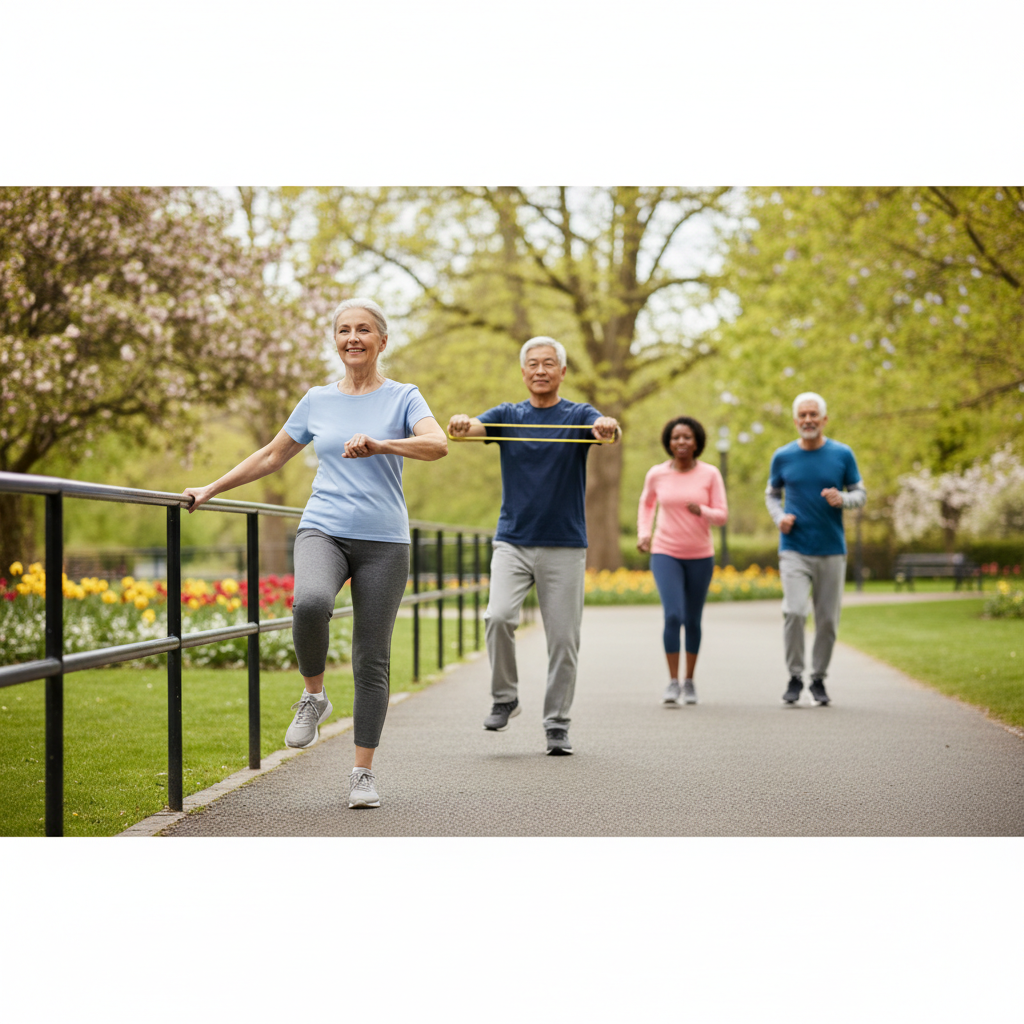
Best Exercises for Seniors to Maintain Mobility
Maintaining mobility is one of the most important factors in preserving independence, quality of life, and overall health as we age. Yet according to the CDC, only 28 percent of adults aged 75 and older meet the federal physical activity guidelines. The consequences of inactivity are significant: increased fall risk, loss of muscle mass (sarcopenia), joint stiffness, cardiovascular decline, and a greater likelihood of chronic disease progression. The good news is that it is never too late to start, and even modest amounts of regular exercise can produce meaningful improvements. This guide covers the best exercises for seniors to maintain and improve mobility, organized by the four pillars of senior fitness.
The Four Pillars of Senior Fitness
The National Institute on Aging (NIA) recommends that older adults focus on four types of exercise: endurance (aerobic), strength, balance, and flexibility. Each type addresses different aspects of physical function, and together they form a comprehensive fitness foundation.
A well-rounded exercise program that incorporates all four pillars can reduce the risk of falls by up to 23 percent, lower blood pressure, improve blood sugar control, strengthen bones, reduce symptoms of depression and anxiety, and help maintain a healthy weight. The American College of Sports Medicine (ACSM) guidelines recommend at least 150 minutes of moderate-intensity aerobic activity per week, muscle-strengthening activities on two or more days per week, and balance training for those at risk of falls.
Endurance Exercises: Building Cardiovascular Health
Endurance exercises increase heart rate, improve circulation, and build stamina for everyday activities such as walking, climbing stairs, and carrying groceries. The following aerobic exercises are particularly well-suited for seniors:
- Brisk walking: The most accessible form of exercise for most seniors. A study published in the British Journal of Sports Medicine found that walking at a brisk pace for 30 minutes, five days a week, reduces all-cause mortality risk in older adults by 20 percent. Start with 10-minute walks and gradually increase duration.
- Swimming and water aerobics: Water provides natural resistance while supporting body weight, making aquatic exercise ideal for seniors with arthritis, joint pain, or obesity. The Arthritis Foundation's aquatic programs have been shown to reduce pain and improve physical function.
- Cycling (stationary or recumbent): Low-impact cycling strengthens legs and cardiovascular system without stressing joints. Recumbent bikes offer back support and are easier to mount and dismount.
- Dancing: Social dancing combines aerobic exercise with cognitive stimulation, coordination, and social engagement. A study from the Albert Einstein College of Medicine found that frequent dancing reduced the risk of dementia by 76 percent, the greatest risk reduction of any activity studied, including reading and doing crossword puzzles.
Strength Exercises: Combating Muscle Loss
Adults begin losing muscle mass at a rate of approximately 3 to 8 percent per decade after age 30, with the rate accelerating after age 60. This age-related muscle loss, called sarcopenia, directly contributes to frailty, falls, and loss of independence. Resistance training is the most effective intervention for slowing and even reversing sarcopenia.
The following strength exercises can be performed at home with minimal equipment:
- Wall push-ups: Stand arm's length from a wall. Place palms flat against the wall at shoulder height. Bend elbows to bring chest toward the wall, then push back. Start with 10 repetitions and build to 15 to 20. This exercise strengthens the chest, shoulders, and arms.
- Chair squats: Stand in front of a sturdy chair with feet hip-width apart. Slowly lower yourself as if sitting down, lightly touch the chair seat, then stand back up. Use the chair's armrests for support if needed. Aim for 10 repetitions. This exercise targets the quadriceps, glutes, and core.
- Resistance band rows: Secure a resistance band around a sturdy object at chest height. Hold one end in each hand with arms extended. Pull the band toward your chest, squeezing shoulder blades together. Release slowly. Perform 10 to 12 repetitions to strengthen the upper back and improve posture.
- Leg raises: While seated in a chair, slowly extend one leg out in front of you until it is parallel to the floor. Hold for 3 seconds, then lower. Repeat 10 times on each side. This exercise strengthens the quadriceps and hip flexors.
- Bicep curls: Using light dumbbells (2 to 5 pounds) or water bottles, stand or sit with arms at your sides. Curl the weights toward your shoulders, then lower slowly. Perform 10 to 12 repetitions. Gradually increase weight as strength improves.
Balance Exercises: Reducing Fall Risk
Balance training is essential for fall prevention. The Vestibular Disorders Association reports that balance-related falls account for more than half of accidental deaths in people over 65. Consistent balance practice can strengthen the neural pathways and muscles responsible for postural control.
Effective balance exercises for seniors include:
- Tandem stance: Stand with one foot directly in front of the other, heel to toe. Hold for 10 to 30 seconds. Use a counter or wall for support initially.
- Single-leg stand: Stand on one foot near a counter or sturdy chair. Hold for 10 to 30 seconds, then switch legs. As balance improves, try closing your eyes or standing on a soft surface like a folded towel.
- Heel-to-toe walk: Walk in a straight line, placing the heel of one foot directly against the toe of the other foot with each step. Take 20 steps. This simulates the coordination needed for everyday walking.
- Tai Chi: This ancient Chinese practice is widely regarded as the gold standard of balance exercise for older adults. A systematic review in the Journal of the American Geriatrics Society confirmed that Tai Chi reduces falls by 20 to 50 percent depending on the program's intensity and duration.
Flexibility Exercises: Maintaining Range of Motion
Flexibility naturally decreases with age as connective tissues lose elasticity and joints stiffen. Stretching exercises help maintain range of motion, reduce stiffness, and improve comfort during daily activities. The ACSM recommends stretching major muscle groups at least two to three days per week, holding each stretch for 30 to 60 seconds.
- Neck stretches: Slowly tilt your head toward one shoulder, hold for 15 to 30 seconds, and repeat on the other side. Gently rotate your head in a semicircle from one shoulder to the other.
- Shoulder rolls: Roll shoulders forward in large circles 10 times, then backward 10 times.
- Seated hamstring stretch: Sit on the edge of a chair with one leg extended straight out, heel on the floor. Keeping your back straight, lean forward gently from the hips until you feel a stretch in the back of the thigh. Hold 30 seconds, then switch legs.
- Ankle circles: While seated, lift one foot off the floor and rotate the ankle in circles, 10 times in each direction. This improves ankle mobility and may help prevent tripping.
- Gentle yoga: Chair yoga and gentle yoga classes designed for seniors improve flexibility, balance, and mental well-being simultaneously. Many community centers and online platforms offer free or low-cost senior yoga programs.
Getting Started Safely
Before beginning any new exercise program, the American Heart Association recommends that seniors consult their physician, especially if they have chronic conditions such as heart disease, diabetes, or osteoporosis. Start slowly, progress gradually, stay hydrated, wear supportive footwear, and stop immediately if you experience chest pain, severe shortness of breath, dizziness, or sharp joint pain.
Exercising with a partner or in a group setting adds accountability and social interaction, both of which are linked to better adherence and mental health outcomes in older adults.
Conclusion
Regular exercise is among the most powerful interventions available for maintaining mobility, preventing falls, and preserving independence in older adulthood. By incorporating endurance, strength, balance, and flexibility activities into a weekly routine, seniors can enjoy meaningful improvements in physical function, mental health, and overall quality of life. The best exercise for seniors is the one they will do consistently, so find activities you enjoy, start where you are, and build from there.
Written by