Best Daily Living Aids for Seniors with Limited Mobility
Limited mobility is one of the greatest challenges facing aging adults, affecting everything from personal hygiene to household tasks that most people take for granted. When simple activities like reaching the toilet paper, getting out of bed, or maintaining good posture become difficult or painful, the resulting loss of independence can take a devastating toll on mental health and self-esteem. The good news is that a growing range of daily living aids now exists to bridge the gap between limited physical ability and full, dignified independence.
This guide presents five essential daily living aids that address the most common mobility-related challenges seniors face every day. Each product has been selected for its practical impact on routines that matter most — bathroom independence, bedroom transfers, comfortable seating, and posture management. These are not luxury items; they are tools that restore autonomy and dignity to everyday life.
Why This Matters
The loss of ability to perform basic daily tasks independently is the number one reason seniors move from their homes into assisted living facilities. According to the National Institute on Aging, maintaining independence in activities of daily living — bathing, toileting, dressing, transferring, and eating — is the strongest predictor of whether a senior can continue living at home. Each task that a senior can perform independently, even with assistive devices, extends their ability to age in place and delays or eliminates the need for institutional care.
Daily living aids also reduce the physical burden on family caregivers, who often suffer their own health consequences from the repetitive lifting, bending, and supporting required to assist with basic tasks. When a senior can handle bathroom visits, bed transfers, and seated activities independently, caregivers can focus on companionship and coordination rather than physical labor.
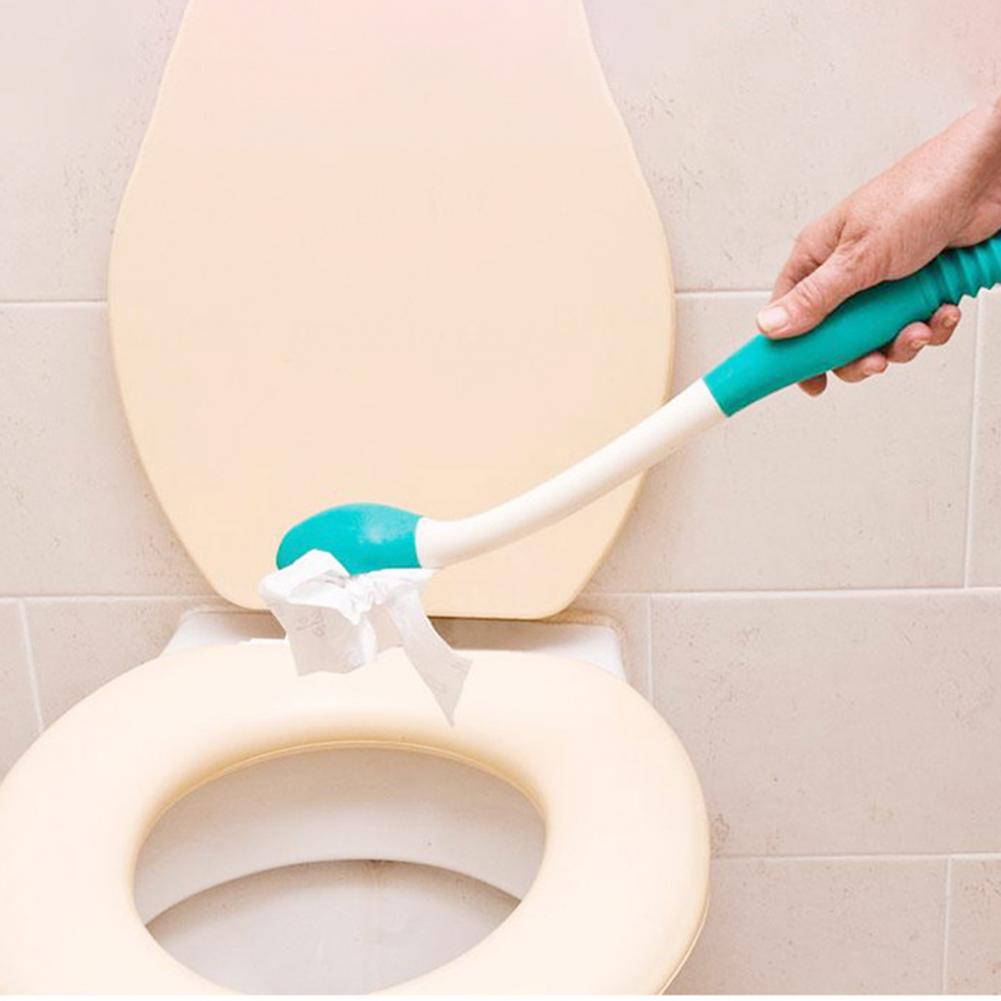
1. Elderly Long Reach Easy Toilet Paper Holder
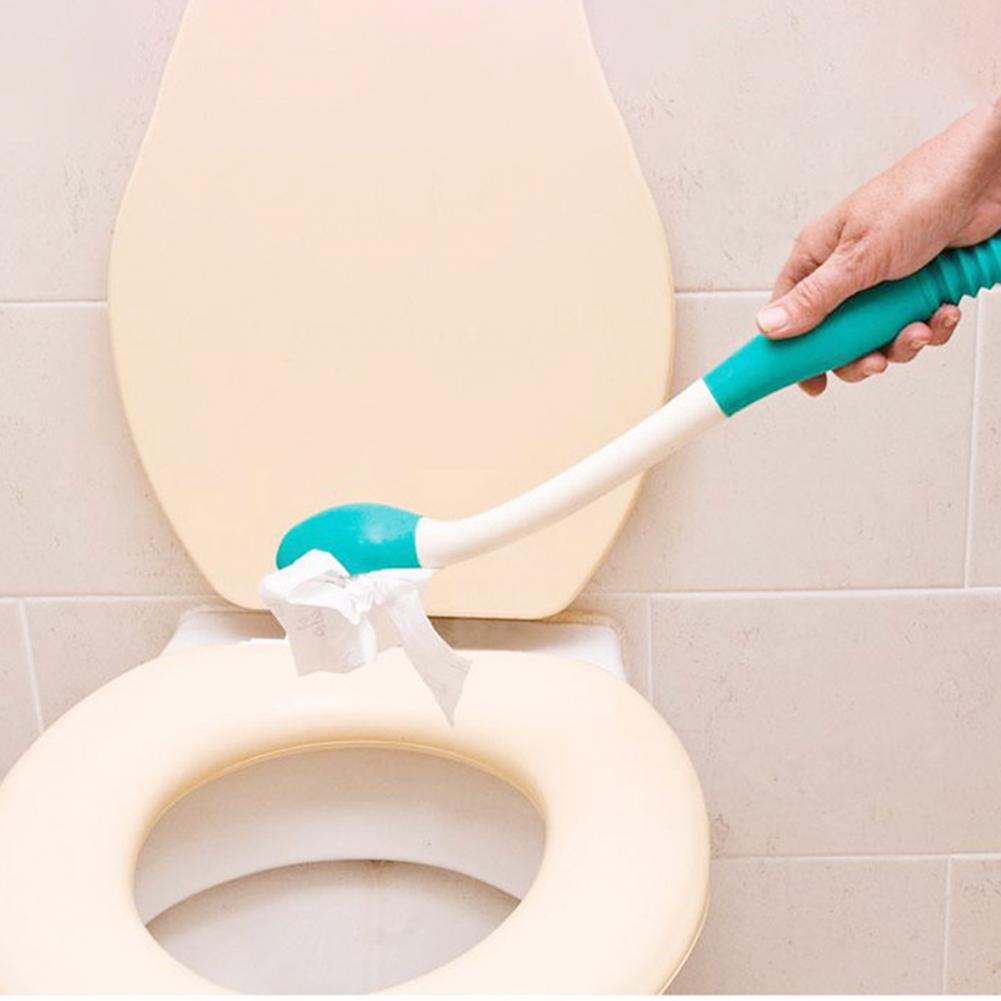
Few topics are discussed less openly than bathroom independence, yet it is one of the most significant daily challenges for seniors with limited mobility. The inability to reach for personal hygiene tasks due to shoulder restrictions, back pain, or reduced flexibility is deeply distressing and one of the primary reasons seniors require caregiver assistance. This long-reach toilet paper holder extends the user's effective reach, allowing them to maintain complete bathroom independence without twisting, bending, or straining.
The ergonomic grip handle is designed for seniors with reduced hand strength, and the secure clamp holds toilet paper firmly in place during use. A simple release button ejects used paper into the toilet without the need to touch it. While this may seem like a small convenience, the privacy and dignity it restores are enormous. Seniors who can handle their own bathroom needs independently report significantly higher self-esteem and willingness to maintain social activities outside the home.
2. Senior Mobility Sling Easy Bed Transfer Belt
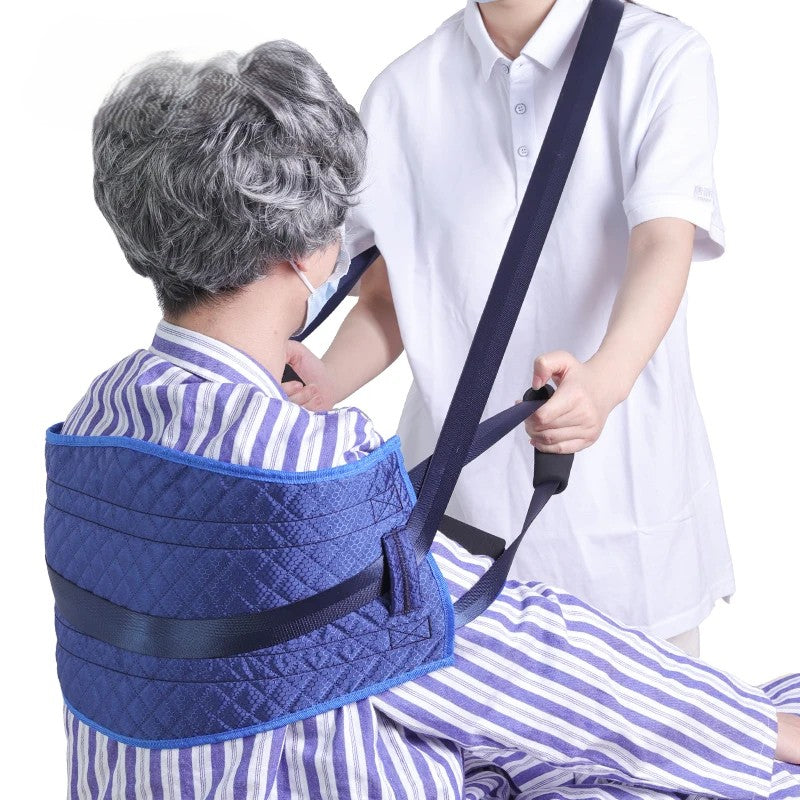
Bed transfers — getting from lying down to sitting, and from sitting to standing — are moments of high fall risk for mobility-limited seniors. This transfer sling belt provides caregivers with secure, padded handles positioned around the patient's torso, transforming an awkward, potentially dangerous maneuver into a controlled, safe movement. The belt distributes lifting forces across the patient's midsection rather than concentrating them under the arms, which is both more comfortable and biomechanically safer.
The belt is equally valuable for the caregiver, whose back and shoulders bear tremendous strain during bed transfers performed without proper equipment. With the handles positioned at an ergonomic height, the caregiver can maintain proper lifting posture while guiding the senior through the transfer. The quick-release buckle system allows the belt to be put on and removed in seconds, which is important since seniors may need assistance with transfers six to ten times per day.
3. Elderly Friendly Adjustable Portable Toilet Seat
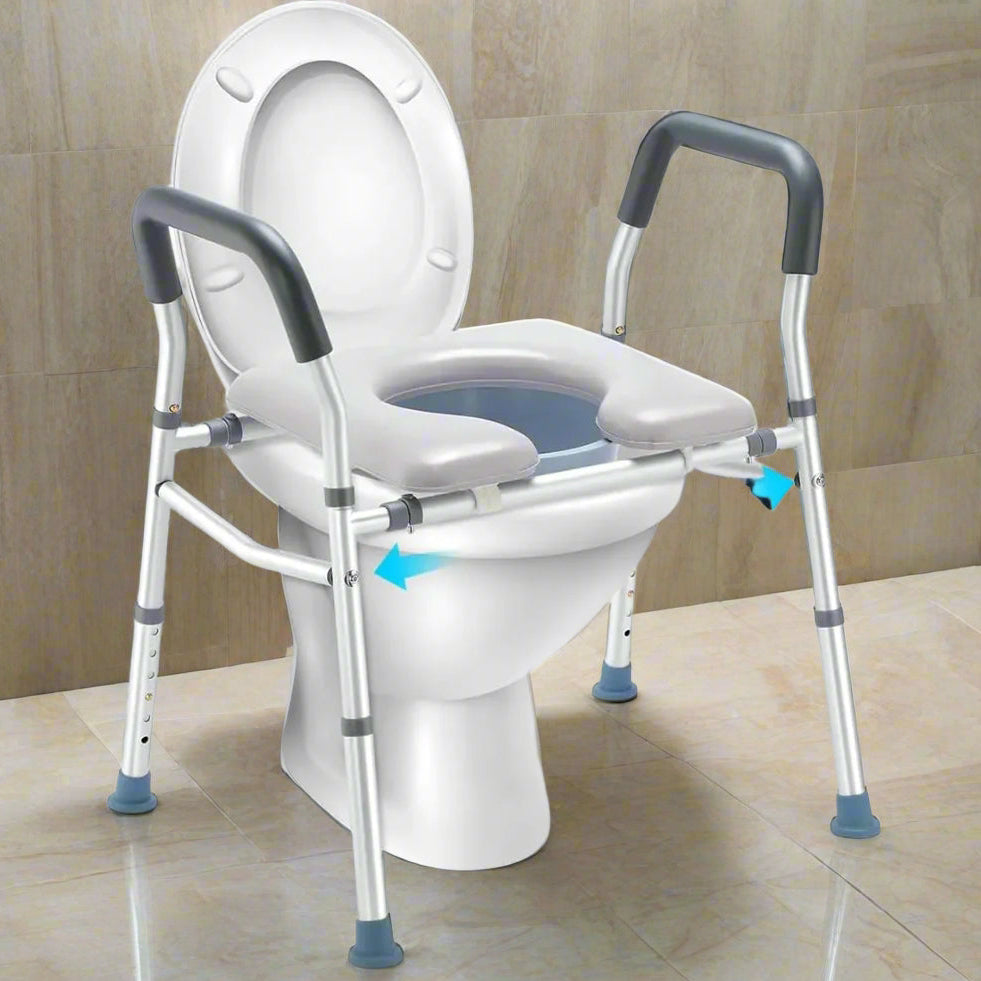
For seniors with severely limited mobility, the distance between the bedroom and bathroom can become an insurmountable obstacle, especially during nighttime hours. This adjustable portable toilet seat — commonly called a bedside commode — eliminates that dangerous journey entirely. The adjustable height legs accommodate different bed heights and user preferences, while the sturdy frame supports up to 350 pounds. Removable bucket liners make cleanup straightforward and hygienic.
While the idea of a portable toilet may initially seem like a significant concession, the reality is that it dramatically improves quality of life for seniors who otherwise face the choice between risky nighttime bathroom trips and the indignity of incontinence products. The chair can also function as a raised toilet seat when placed over a standard toilet during daytime hours, providing the armrests and elevation that make sitting down and standing up safer. Its portability means it can be moved to wherever the senior spends their time, ensuring bathroom access is never more than a few steps away.
4. Adjustable Lumbar Support Back Posture Corrector
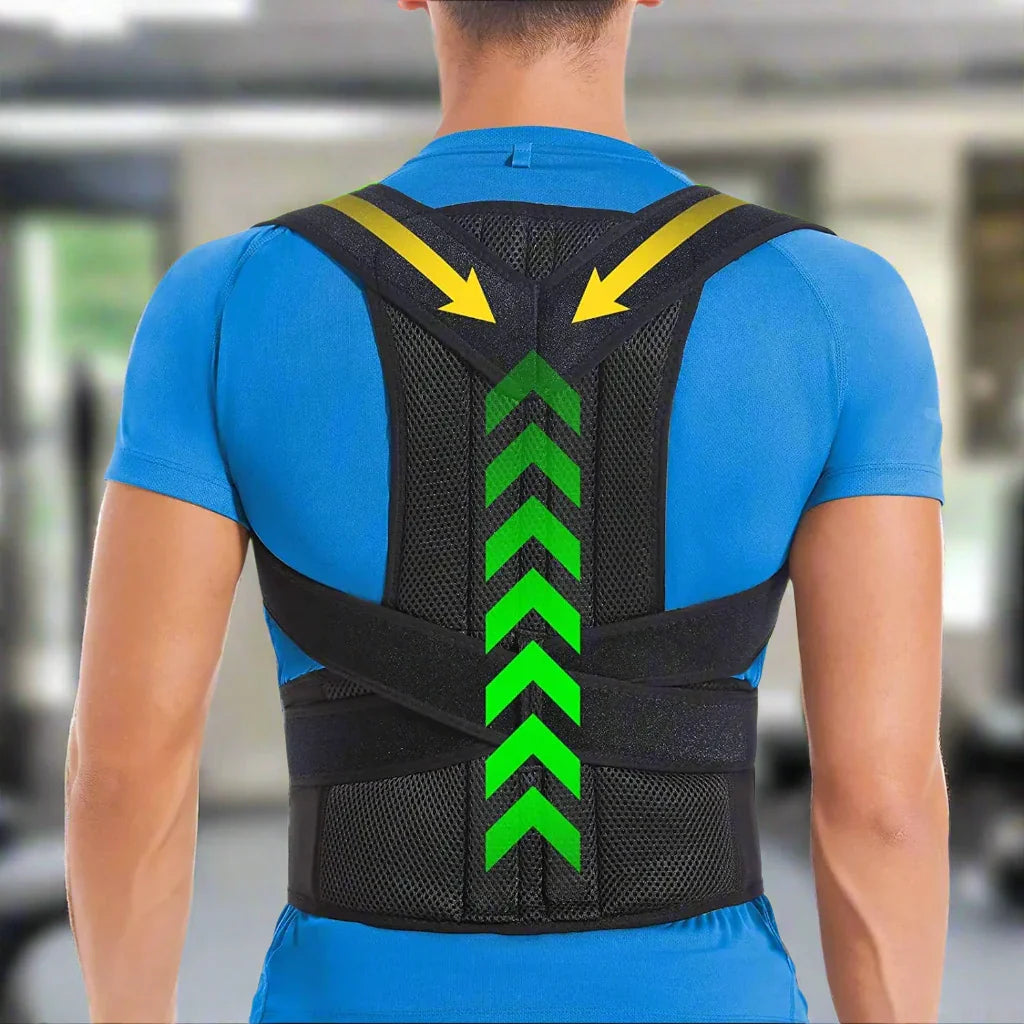
Poor posture in seniors is not merely a cosmetic concern — it directly contributes to falls, breathing difficulties, digestive problems, and chronic pain. As back muscles weaken with age, the spine gradually curves forward, shifting the center of gravity and making balance increasingly precarious. This adjustable posture corrector gently pulls the shoulders back and supports the lumbar spine, training the muscles to maintain proper alignment without the discomfort of rigid braces.
The corrector is lightweight enough to wear under clothing throughout the day, providing continuous postural support during all activities. Unlike bulky back braces that restrict movement, this design allows full range of motion while maintaining gentle corrective tension. Seniors who use posture correctors consistently report improved breathing depth, reduced back pain, and greater confidence during walking. At just $14.95, it represents an extraordinary value for a product that addresses one of the root causes of mobility decline in aging adults.
5. Self-Heating Magnetic Back Support Massager
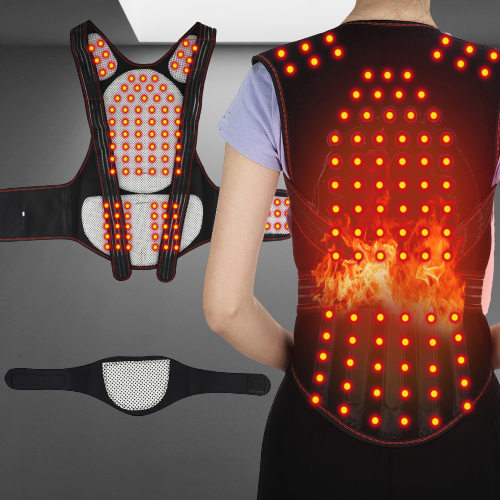
This self-heating back support combines tourmaline magnetic therapy with natural body-heat-activated warming to provide continuous therapeutic relief throughout the day. Unlike electric heating pads that require cords and outlets, this support generates gentle warmth from body heat alone, making it completely portable and safe for extended wear. The embedded magnets are positioned along the spine to target key pressure points and promote circulation to the muscles that support the lower back.
For seniors with limited mobility who spend extended periods in the same position — whether sitting in a wheelchair, resting in a recliner, or lying in bed — consistent back support and warmth can prevent the muscle stiffness and pain that makes every subsequent movement more difficult. The self-heating technology means there are no batteries to charge, no cords to manage, and no risk of overheating. Simply put it on in the morning and benefit from continuous therapeutic warmth all day long. The adjustable straps accommodate a wide range of body sizes and can be tightened or loosened as comfort requires.
Buying Guide: Choosing Daily Living Aids for Limited Mobility
When selecting daily living aids, focus first on the tasks that cause the most frustration or require the most caregiver assistance. Prioritize products that restore independence in bathroom and bedroom routines, as these are the areas where loss of autonomy has the greatest psychological impact. Look for products with adjustable features, as the senior's needs and abilities will change over time. Consider the caregiver's needs as well — products that reduce the physical demands of caregiving help sustain the entire care arrangement long-term. Finally, involve the senior in product selection whenever possible, as buy-in and willingness to use assistive devices is critical to their effectiveness.
Frequently Asked Questions
When should a senior start using daily living aids?
The best time to introduce daily living aids is before they become absolutely necessary. Proactive adoption allows the senior to learn how to use devices while they still have sufficient strength and cognitive function, and it normalizes the use of assistive tools before a crisis makes them mandatory. If a task is becoming noticeably harder or riskier, it is time to explore assistive options.
Will using assistive devices make seniors more dependent?
This is a common misconception. Research consistently shows that appropriate assistive devices actually increase independence by allowing seniors to perform tasks they would otherwise need human help with. The alternative to a daily living aid is not independence — it is dependence on a caregiver for that same task.
How do I convince a reluctant parent to use daily living aids?
Frame assistive devices as tools rather than crutches. Emphasize that using them preserves independence and reduces the burden on family members. Start with the least conspicuous products — a posture corrector under clothing, a cushion on their chair — and introduce more visible aids gradually. Many seniors who initially resist assistive devices become enthusiastic users once they experience the comfort and freedom these tools provide.
Conclusion
Daily living aids are not signs of defeat — they are tools of empowerment that allow seniors with limited mobility to maintain the independence and dignity that every person deserves. From bathroom privacy to comfortable seated posture, the products in this guide address the practical realities of aging with limited mobility in straightforward, effective ways. By investing in these aids, families invest in their loved one's ability to remain in their own home, on their own terms, for as long as possible. The cost of these products is minimal compared to the freedom and self-respect they restore.
Written by